Confirm the code edition and local amendments
California’s 2025 edition of Title 24 took effect on January 1, 2026. Local jurisdictions can adopt qualifying amendments and set their own administrative permit procedures. Confirm the governing code and approved plans for the project address instead of assuming the same details apply everywhere.
ACI CODE-318 is a major concrete design and construction reference, but the edition and provisions that apply to a project depend on the adopted building code, contract documents, and authority having jurisdiction.
Resolve foundation information before placement
Foundation work connects structural design to actual soil and site conditions. Missing information is much harder to correct after reinforcing steel, anchors, or concrete are in place.
- Approved structural and civil drawings, details, and current revisions
- Required soils or geotechnical recommendations and the accepted subgrade condition
- Excavation dimensions, elevations, drainage, adjacent improvements, and known utilities
- Reinforcing steel, anchors, hold-downs, embeds, sleeves, and required clearances
- Approved concrete mixture, placement plan, inspections, and testing responsibilities
Plan inspections, testing, and records
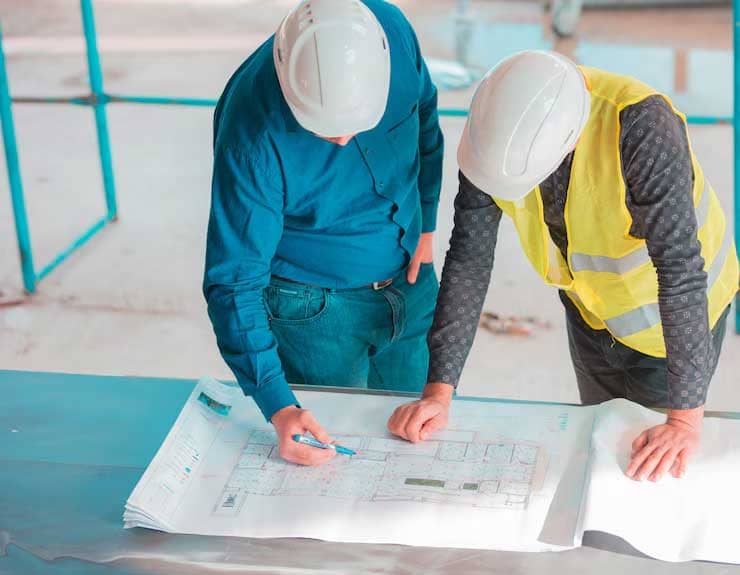
Identify hold points before work begins. Depending on the plans and jurisdiction, the team may need subgrade, form, reinforcing, embed, special, or placement inspections. The project documents should also identify sampling and testing requirements.
Keep approved submittals, delivery tickets, inspection results, test reports, and accepted changes together. If field conditions differ from the design, route the issue to the responsible design professional and approving agency before covering the work.
Adopt newer tools and materials through the design
Newer concrete mixtures, reinforcement systems, sensors, scanning tools, and digital field records can solve specific project problems. They do not bypass structural review, manufacturer requirements, testing, or code acceptance.
- Use an EPD to compare environmental impacts, not to establish structural acceptance.
- Confirm that alternative mixtures or reinforcement systems are included in the approved design and submittals.
- Use layout and scanning tools to improve verification, while checking results against the drawings and actual site.
- Control silica exposure during cutting, drilling, grinding, and cleanup under the employer’s required safety program.
Costs, permit steps, codes, disposal requirements, and site conditions change. Confirm current requirements with the responsible agencies and qualified professionals before work begins.
Official sources
These agencies and public resources support the planning information in this article. Open the current source before making project decisions.
- California Building Standards Commission: California Building Standards CodeOpen official website in new tab
- California Building Standards Commission: 2025 Local OrdinancesOpen official website in new tab
- American Concrete Institute: ACI 318 Building Code PortalOpen official website in new tab
- Cal/OSHA Title 8 section 1532.3: Respirable crystalline silicaOpen official website in new tab