
Start with the project, not a green label
Concrete combines aggregate, water, cementitious materials, and sometimes admixtures. Portland cement production releases process carbon dioxide during calcination and also uses energy, but that does not make every alternative mixture a better fit for every job.
A practical review starts with the required strength, exposure, service life, finish, placement method, and governing specification. The designer and concrete supplier can then evaluate ways to reduce environmental impact without giving up required performance.
Use environmental product declarations carefully
An environmental product declaration, or EPD, reports quantified environmental impacts for a product under a defined set of rules. Global warming potential is one of those measures. An EPD is useful for comparing eligible products, but it is not proof that a concrete mixture meets the structural design, durability requirements, or local code.
Compare EPDs that use compatible product-category rules and reporting units. For public work, follow the project specifications because the required documents and any acceptance limits may be project-specific.
Options worth discussing with the project team
The best option depends on the materials available near the project and what the approved design allows. A trial batch or supporting test data may be needed before a mixture is accepted.
- A binder system that uses accepted supplementary cementitious materials
- A mixture optimized to meet the specified performance without unnecessary cementitious content
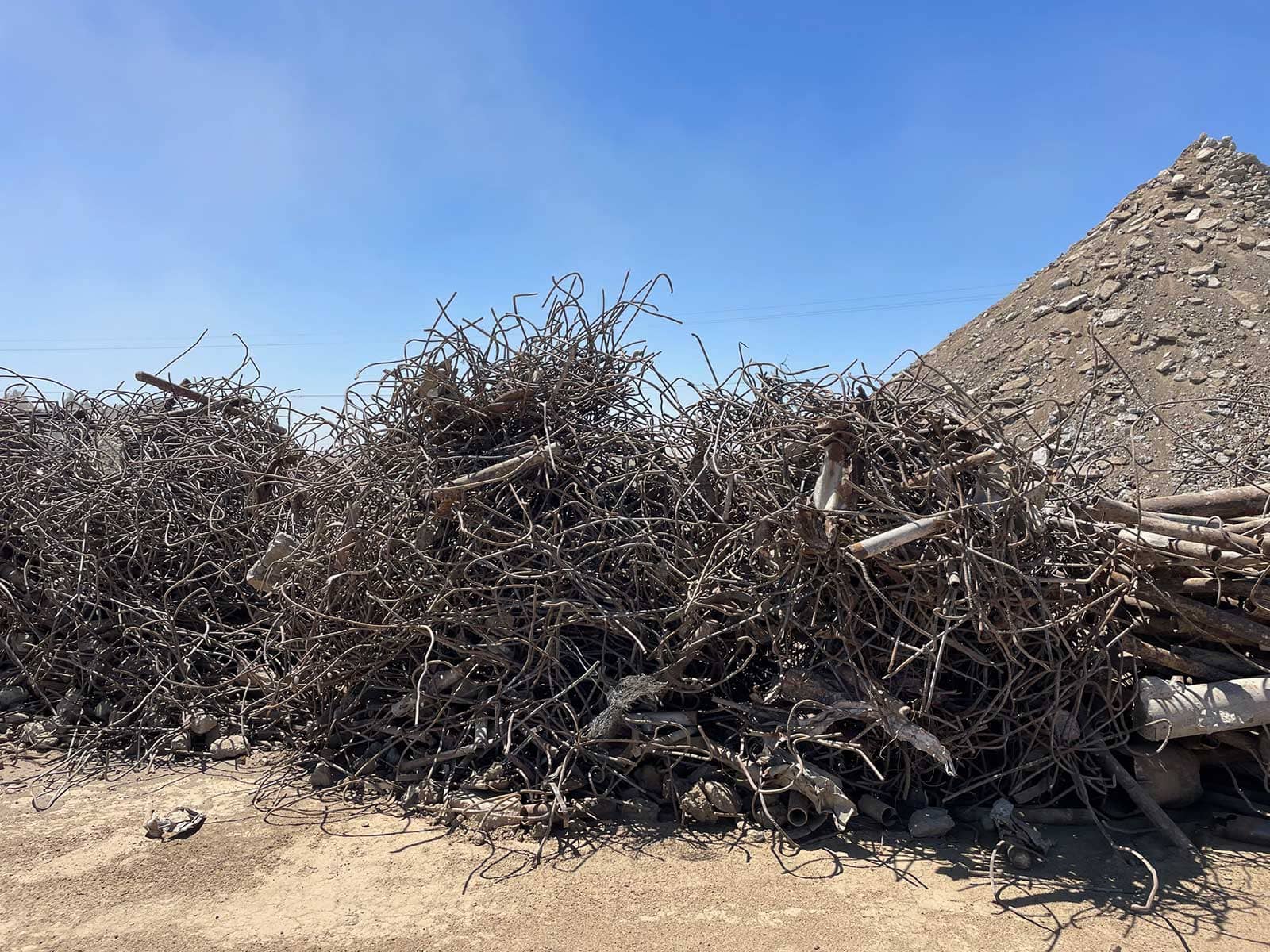
- Recycled concrete aggregate where the specification expressly allows it
- Placement, curing, and quantity planning that reduce rejected loads and avoidable rework
Questions to answer before approval
Ask for the current mixture submittal and confirm who has authority to approve it. Product availability, finishing behavior, curing needs, and test ages can affect the schedule as much as the environmental target.
- What strength, exposure, and durability requirements appear in the plans and specifications?
- Does the EPD cover the supplied product and the requested comparison?
- Are pumping, placement, finish, weather, and curing needs understood?
- Have the designer, testing team, supplier, and approving agency accepted the proposed mixture?
Costs, permit steps, codes, disposal requirements, and site conditions change. Confirm current requirements with the responsible agencies and qualified professionals before work begins.
Official sources
These agencies and public resources support the planning information in this article. Open the current source before making project decisions.
- Caltrans: Environmental Product DeclarationsOpen official website in new tab
- Caltrans: Low-Carbon Materials InitiativesOpen official website in new tab
- Caltrans Construction Manual, Section 4-90: ConcreteOpen official website in new tab
- U.S. EPA: Cement Production Greenhouse Gas ReportingOpen official website in new tab