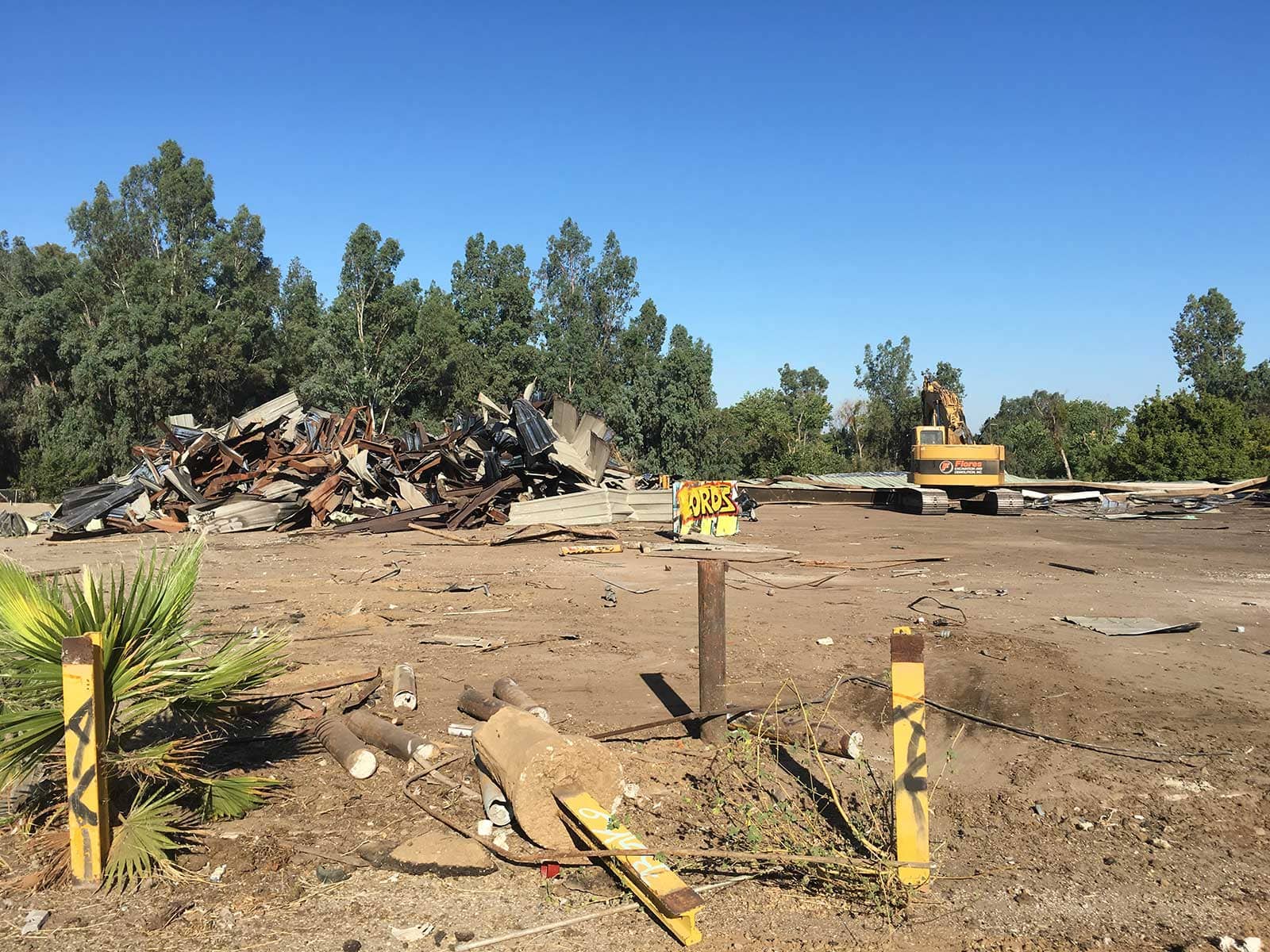

Define what the demolition estimate must include
There is no single reliable Central California rate for residential demolition. The structure, site, approvals, material handling, and requested end condition all affect the work, so owners need a site-specific written estimate.
A useful estimate starts with the condition the property should be in when the crew leaves. Removing a house can mean more than taking down the structure. Foundations, flatwork, utility terminations, debris hauling, imported fill, rough grading, and protection of items that stay may be separate parts of the scope.
Ask each bidder to price the same written scope. A low total is hard to compare if it leaves out work that another proposal includes.
- Structures, slabs, footings, driveways, fences, and vegetation that go or stay
- Who handles permits, utility coordination, testing, and disposal records
- The requested final grade and the next planned use of the site
- Any work that the owner or another contractor will complete
Resolve the unknowns that can change the work
Access, construction type, nearby buildings, overhead lines, buried utilities, and the material inside the structure affect the equipment, sequence, and hauling plan. Older additions and undocumented repairs can also make the visible footprint an incomplete picture of the job.
Hazardous-material rules depend on the building and project. Do not assume that age alone answers the asbestos or lead question. Give the contractor any existing survey reports and confirm current requirements with the building department and air district before work starts.
Send the same project package to every bidder
A contractor can prepare a clearer estimate when the address, photos, plans, known utility status, access limits, and desired end condition arrive together. Include any permit correspondence or environmental reports already completed.
If the site will be rebuilt, say so before pricing. The future foundation, drainage plan, or site design may affect how much material is removed and how the ground is left.
Read the proposal by responsibility, not total alone
The written proposal should identify inclusions, exclusions, allowances, change conditions, hauling destinations, and closeout records. It should also say who coordinates permits, inspections, utilities, hazardous-material work, and the final site handoff.
Before signing, verify the contractor license and compare proposals against the same scope. Questions are easier to settle before equipment and trucks are scheduled.
Costs, permit steps, codes, disposal requirements, and site conditions change. Confirm current requirements with the responsible agencies and qualified professionals before work begins.
Official sources
These agencies and public resources support the planning information in this article. Open the current source before making project decisions.
- California CSLB: How to find the right licensed contractorOpen official website in new tab
- OSHA: Demolition preparatory operationsOpen official website in new tab
- EPA: Asbestos requirements for demolition and renovationOpen official website in new tab
- San Joaquin County: Demolition permit informationOpen official website in new tab