Mark what stays before pricing what leaves
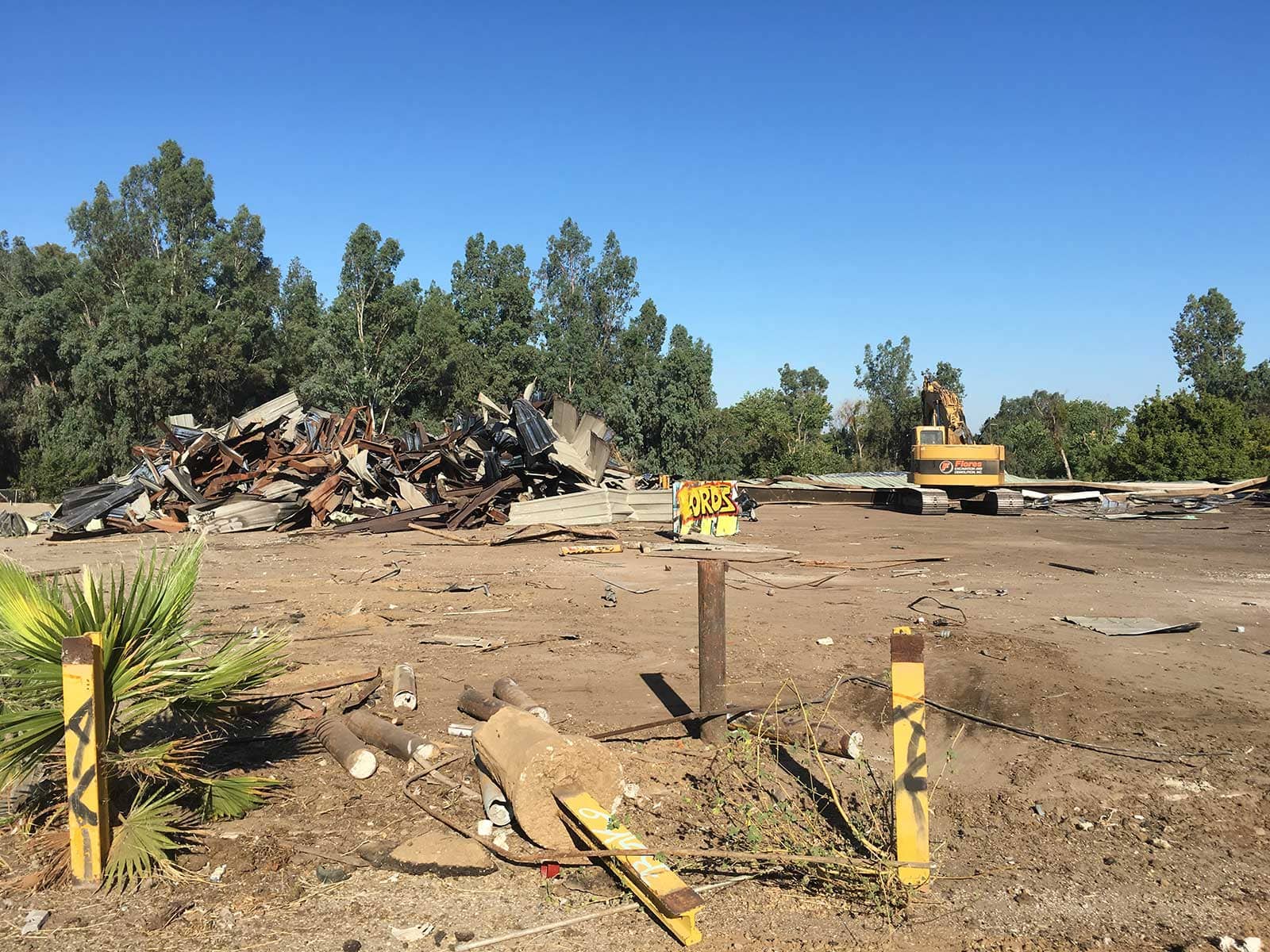
Two acres of light brush are not the same job as two acres with large trees, stumps, old fences, dumped waste, concrete, or an orchard. Walk the area and mark trees, buildings, habitat, utilities, and drains that must stay.
Send a marked air photo for the first call. A site walk can confirm access, slopes, soil, nearby property, and safe places for debris.
Decide how each material will be handled
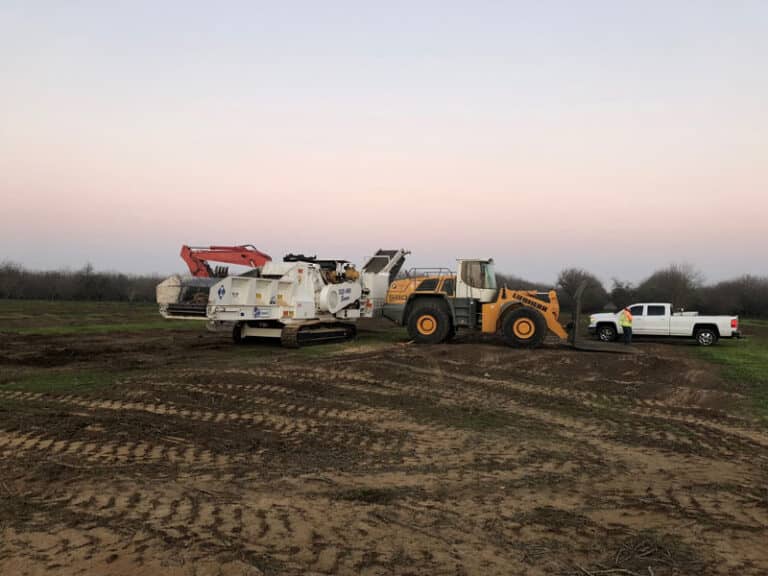
The estimate should say if brush, logs, stumps, green waste, rock, concrete, and mixed debris will be chipped, stored, reused, hauled, or dumped. Local options and site limits affect the choice.
CalRecycle lists green waste as a common building and demolition material. It advises checking local places for recycling or disposal. Do not assume all materials can go to the same place.
- Rough acreage and clear work limits
- Vegetation type, tree size, stump removal, and orchard rows
- Existing structures, fencing, concrete, or dumped debris
- Equipment and truck access in dry and wet conditions
- Plan to reuse, store, chip, haul, or dump material
- The final result: cleared, roots removed, rough graded, or ready to build
Connect clearing to the grading and drainage plan
Clearing can expose soil and change how water moves across the land. A California stormwater permit may be needed when work disturbs one acre or more. It may also apply when a smaller area is part of a plan that disturbs at least one acre.
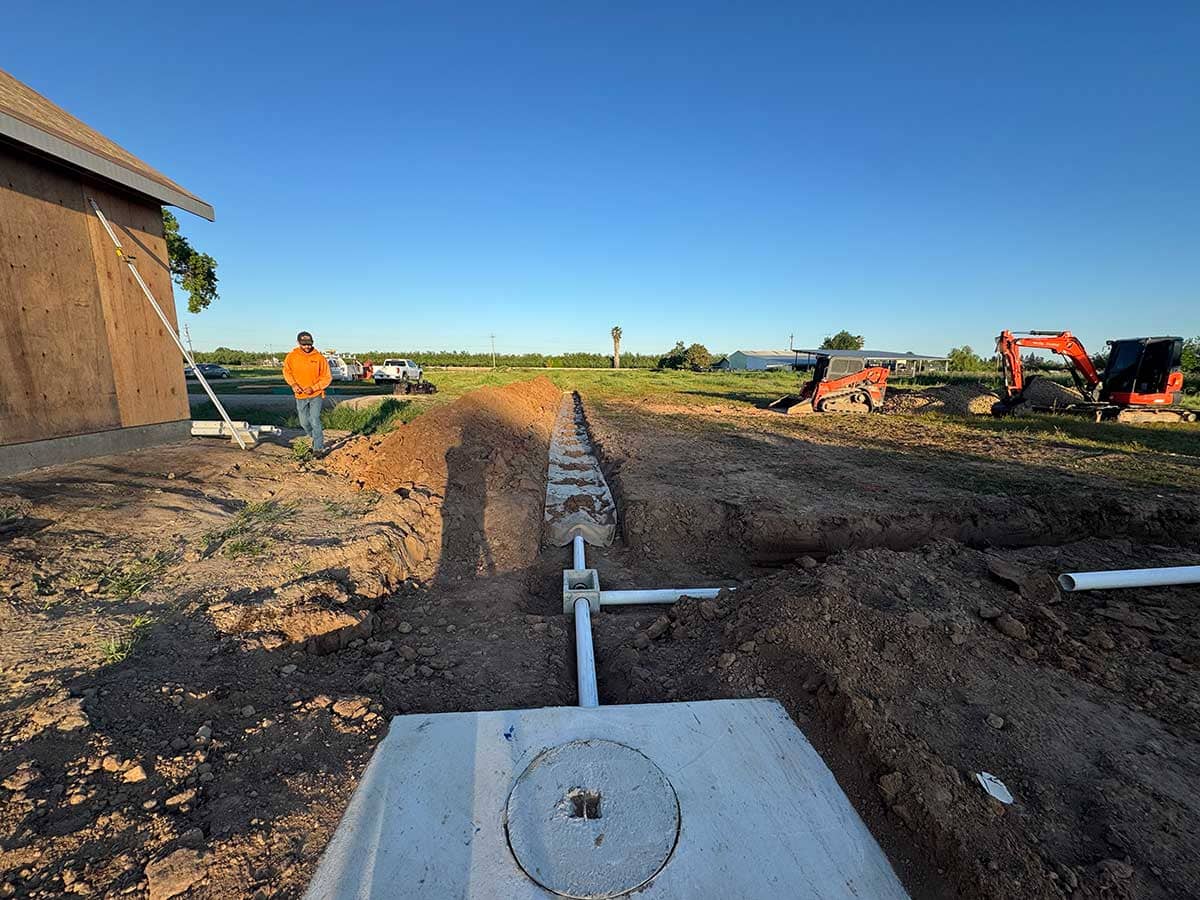
Tell the estimator what comes after clearing. Flores can price access, grading, digging, or pad prep with the clearing when one plan makes sense.
Check permit, utility, safety, engineering, and inspection rules with the right agencies and trained experts.
Official sources
These links explain the state and local rules used in this guide. Check the rules for your property before work begins. Each source opens in a new tab so you can keep this guide open.