Start with utility marks and private lines
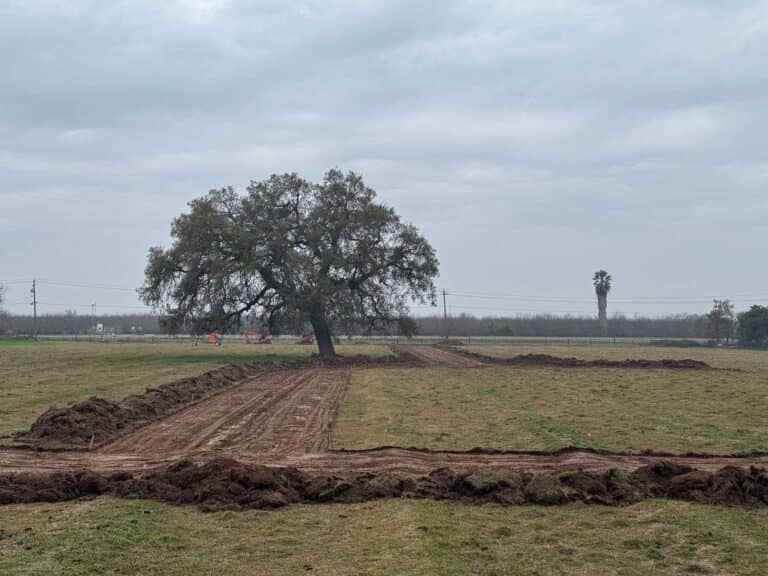
California law requires marks around the dig area before anyone calls the regional notice center. The person digging must give notice at least two workdays before starting. Notice cannot be more than 14 calendar days early. Work must wait until known utility companies respond.
Public utility marks may not show every private line. Irrigation, septic, wells, lights, gates, pools, propane, and owner-installed lines still need to be found by the right person.
Define the trench and the working room around it
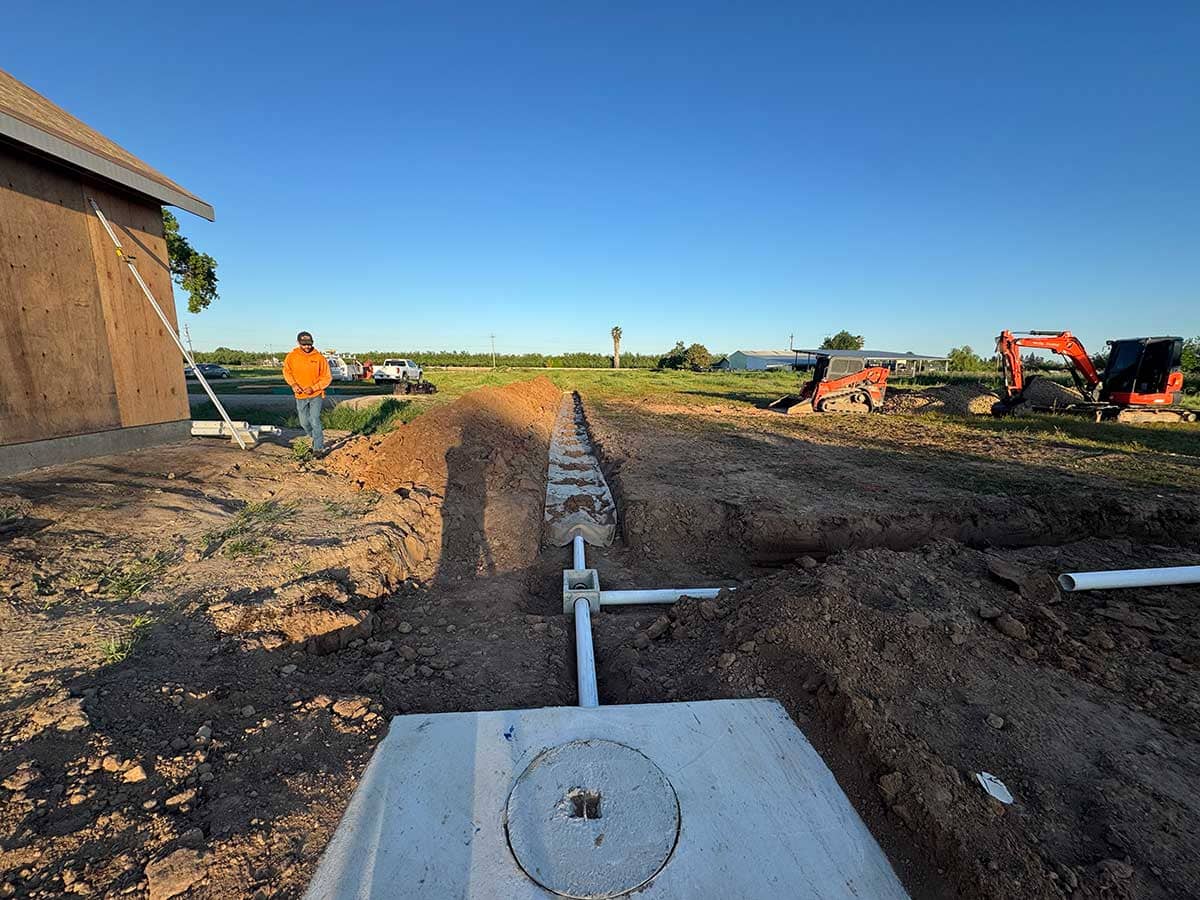
Length and depth are only the first measurements. The estimator also needs the width, pipe type, base material, fill, soil packing, crossings, groundwater risks, and the surface that must be repaired.
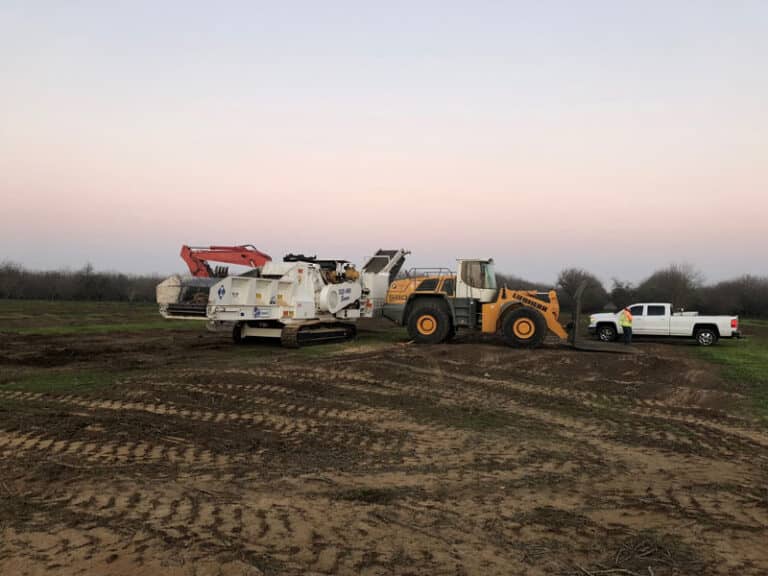
Show fences, slopes, buildings, trees, overhead lines, traffic, and the equipment route. Soil piles, pipe base, and fill need space that is easy to miss in a narrow area.
- Marked dig area and current utility notice status
- Known public and private utility information
- Trench route, length, depth, width, and hook-up points
- Pipe base, pipe, warning tape, fill, and soil-packing rules
- Plan to store, haul, or reuse dug soil
- Limits for pavement, concrete, plants, or dirt repairs
Keep field changes visible
If the route, depth, or work dates change, the utility and safety plan may also need to change. California rules also require safe steps to find the exact line as digging gets close to a utility mark.
Give Flores the utility plan, trench drawing, marked route, photos, and repair rules. The estimate can then say what is included and what must be checked on site.
Check permit, utility, safety, engineering, and inspection rules with the right agencies and trained experts.
Official sources
These links explain the state and local rules used in this guide. Check the rules for your property before work begins. Each source opens in a new tab so you can keep this guide open.