Same building, different scope
Two commercial demolition proposals can name the same building and still cover different jobs. One may leave the slab, another may include footings, and a third may carry an allowance for hauling that changes after quantities are confirmed. Before comparing totals, give each contractor the same removal limits and ask how each proposal handles unresolved work.
For owners, developers, and general contractors in Stockton, Modesto, Oakdale, Merced, Riverbank, and Escalon, a useful comparison starts with the property and the next construction phase. Flores Excavation and Demolition reviews commercial structure removal and related site work. Request an estimate (https://floresexcavationdemolition.com/contact/) with the address, plans, approximate building size, access photos, and intended finished condition.
Make a one-page comparison before choosing a bid
Create a list of the work your project needs. Beside each item, record how each bidder treats it: included, excluded, allowance, optional price, or unresolved. Ask the contractor to clarify blank entries in writing.
Use these headings:
This gives you a way to identify scope gaps before treating the lowest total as the lowest project cost. For broader site preparation questions, use our commercial demolition planning guide (https://floresexcavationdemolition.com/planning-a-commercial-demolition-project/).
- Building removal and boundaries of work
- Slabs, foundations, footings, and other below-grade features
- Utility coordination, surveys, permits, and separate specialist work
- Access, protection of retained areas, and working-hour restrictions
- Loading, hauling, disposal, recycling, and records
- Backfill, grading, and the handoff to the next contractor
Compare the removal boundary line by line
Send every bidder the same marked plan and document revisions. Identify the main structure, attached additions, loading docks, equipment pads, paving, fences, and any features that must remain. Ask each proposal to name the drawings or other information used for pricing.
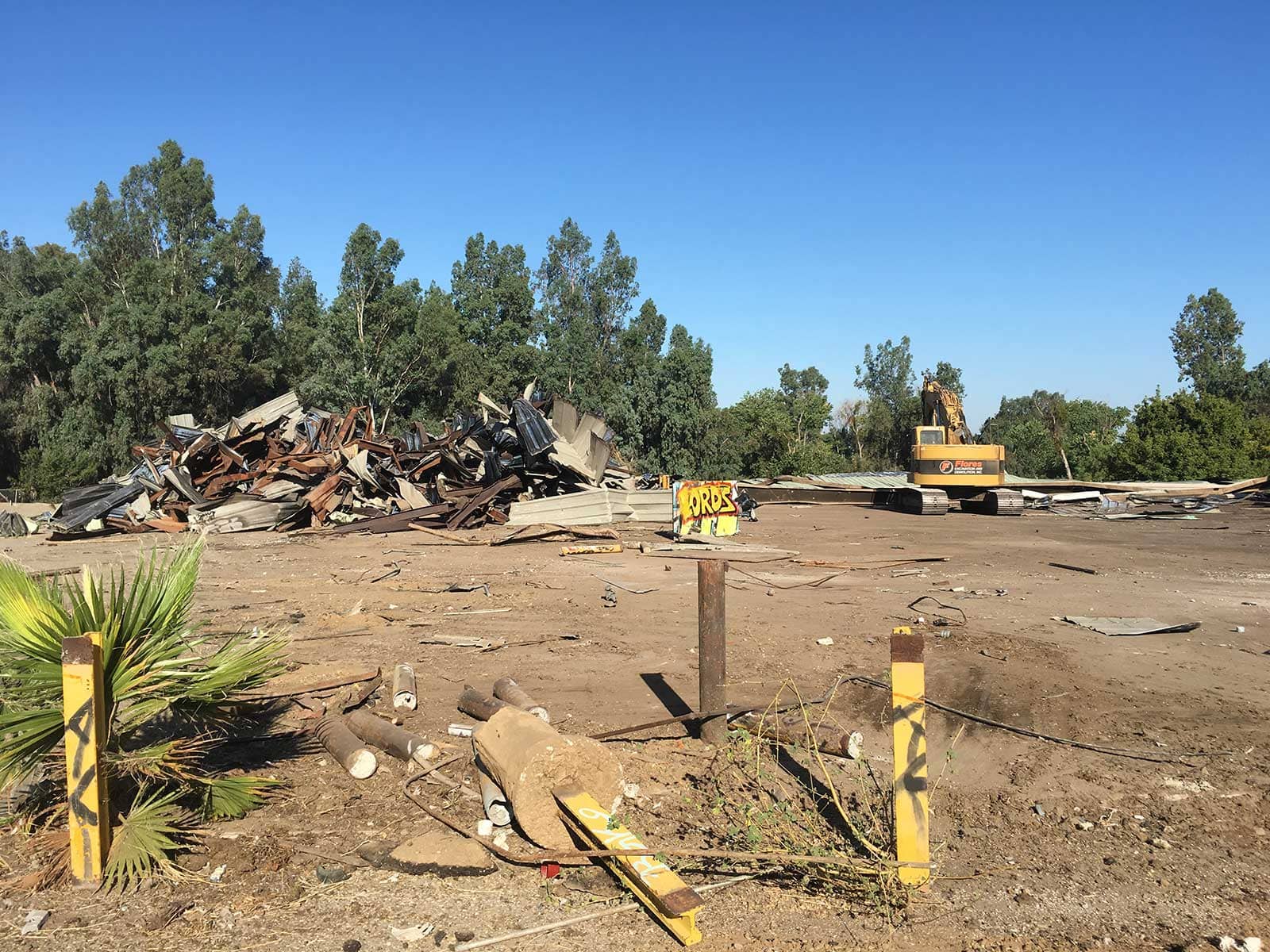
Separate above-ground removal from slabs and foundations. A building footprint does not reveal footing depth or everything buried beneath it. If construction details are unknown, ask what investigation is needed and how the estimate treats that uncertainty.
Also identify stored equipment, tenant belongings, and loose contents. Establish who clears them and whether that work is included. Take photos only from safe, accessible locations; leave entry into damaged structures and investigation of suspect materials to appropriate professionals.
Assign responsibility for prerequisites
A bid comparison should show who coordinates each prerequisite and whether its cost is included. Ask about permit review, utility arrangements, material surveys, and any required specialist services.
Cal/OSHA's demolition rules (https://www.dir.ca.gov/title8/1735.html) address utility notification and control before demolition, along with checks for dangerous substances in pipes, tanks, or equipment. Share known site history and existing reports so the project team can assess the work. Do not assume an inactive building has disconnected utilities.
The Valley Air District's demolition guidance (https://ww2.valleyair.org/compliance/demolition-renovation/demolition/) describes asbestos survey, notification, and abatement requirements and lists its Northern Region office for San Joaquin, Stanislaus, and Merced counties. Have the project team confirm the applicable requirements and sequence for the actual property. The proposal should distinguish demolition from any separately priced assessment or abatement work.
Read the hauling assumptions
Ask whether the price covers removal of all agreed demolition material or uses an estimated quantity. If hauling or disposal is an allowance, ask what quantity and material assumptions support it, how actual quantities will be documented, and how an overage or unused amount will be handled.
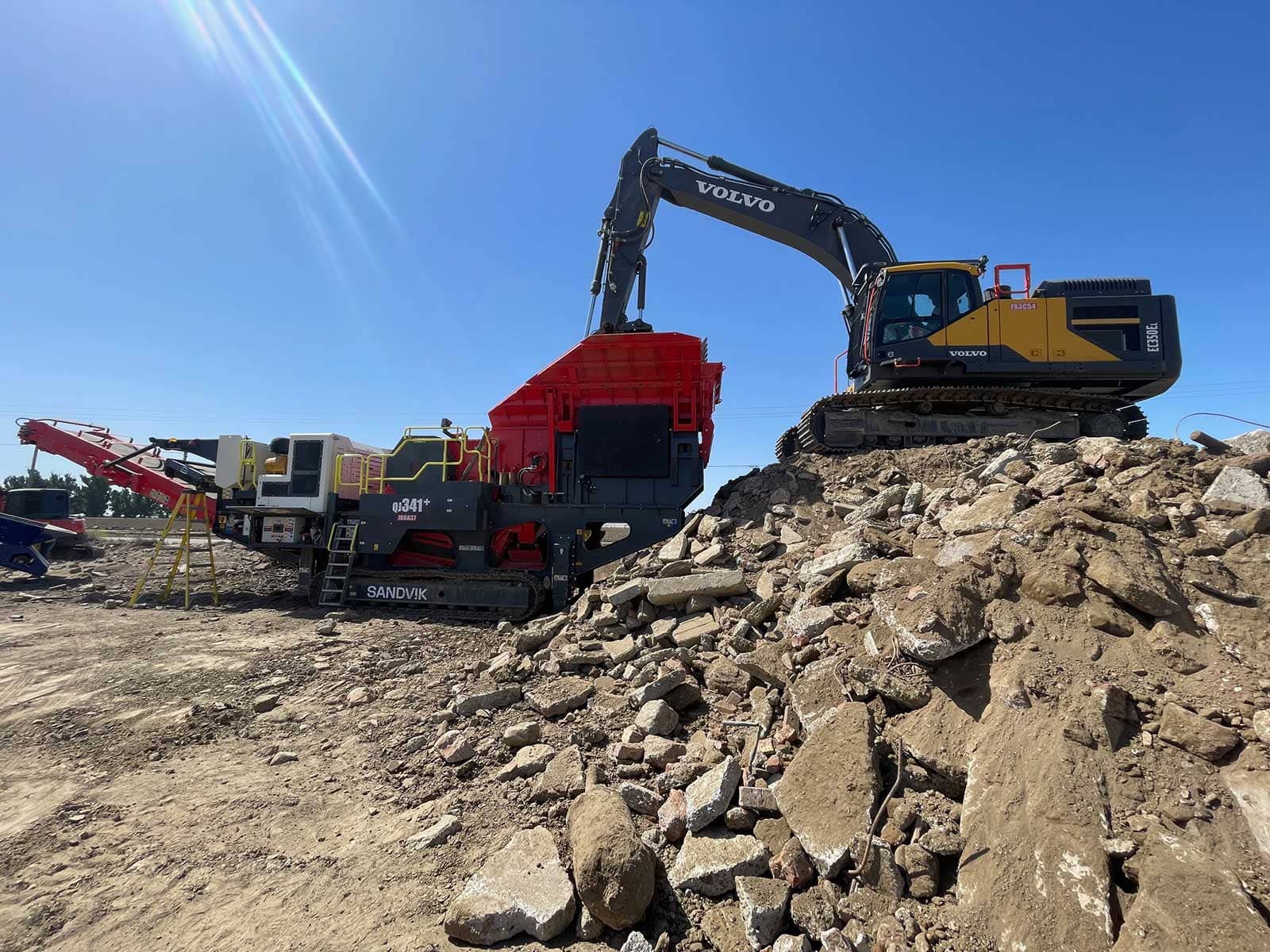
Clarify the treatment of concrete, mixed debris, metal, and any excluded materials. If salvage credits or on-site crushing are proposed, ask for those options separately and confirm their conditions. Avoid assuming that salvage has a guaranteed value or that processed material can remain on the property.
Access assumptions belong here too. Tell bidders about shared driveways, delivery traffic, tenants, gates, and restrictions on loading space. Ask whether their pricing reflects those conditions.
Define what the next crew receives
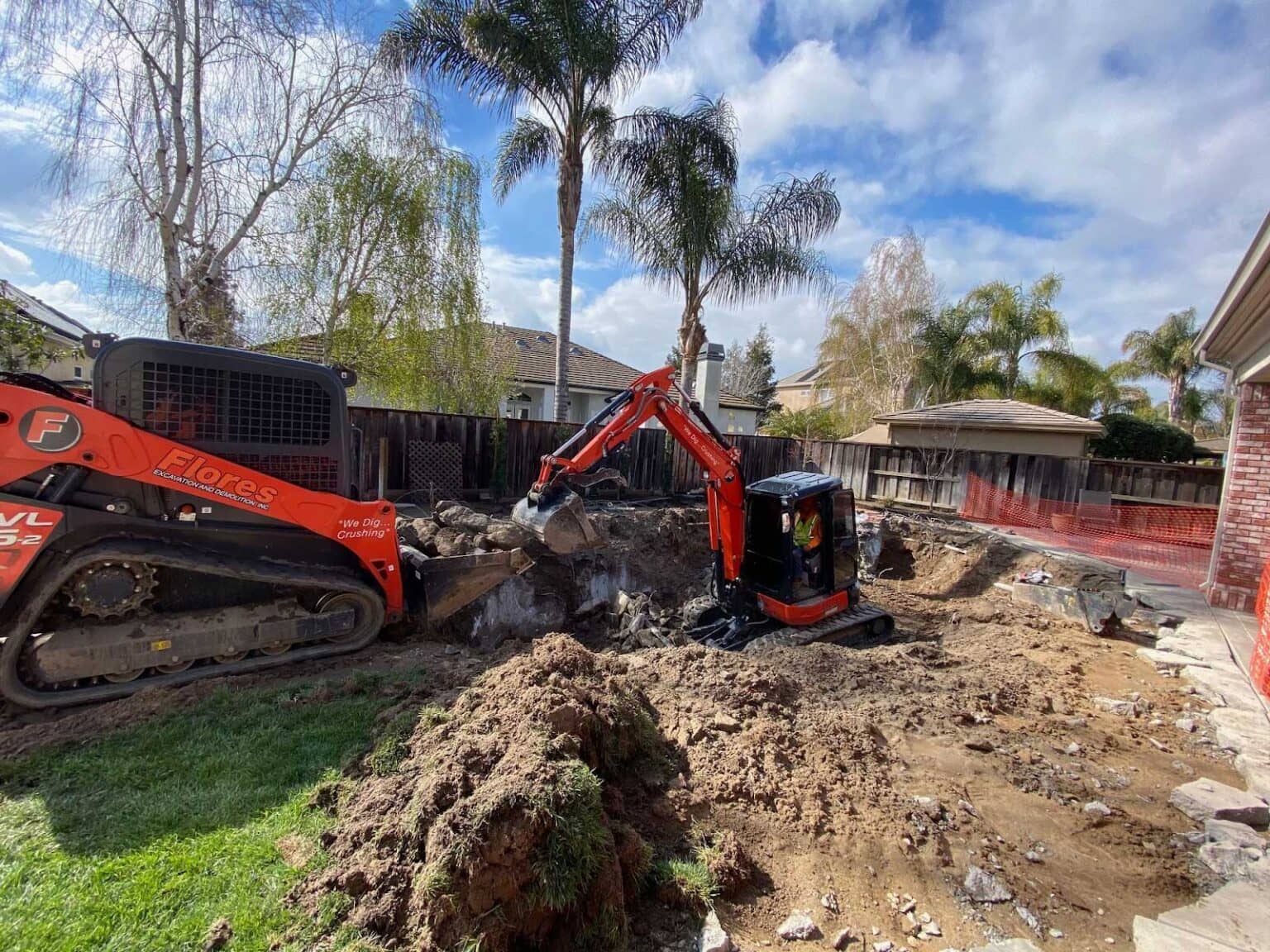
Describe the handoff in terms someone can check on site. Does the proposal leave a cleared area with existing concrete intact, remove foundations and backfill the openings, or include grading to supplied plans?
If new construction follows, share the relevant civil and geotechnical documents. Ask who is responsible for required fill specifications, testing, surveys, inspections, and acceptance. A phrase such as "site ready" needs a written definition that matches the next phase.
Flores's demolition services (https://floresexcavationdemolition.com/services/demolition/) can connect removal with excavation, grading, or pad preparation. Confirm which phases are actually included in your proposal.
Resolve allowances and changes before signing
Ask how concealed conditions or revised plans will be documented, priced, and submitted for authorization. Identify who on your team can approve changes. Record the assumptions behind the proposed schedule, including access, approvals, utility arrangements, and other contractors' work.
After clarifications, request an updated written scope so the final comparison reflects the same work. Keep optional items separate until you decide which outcome you need.
Can I compare demolition bids by square footage?
Floor area is useful background, but compare the written scope, exclusions, allowances, and finished condition as well. Those details show what each total covers.
Does demolition include foundation removal?
Check the proposal. Identify slabs and footings explicitly, along with any backfill or grading required afterward.
What should I send Flores first?
Send the address and city, your role, approximate building size, plans or safe exterior photos, access restrictions, known utilities and reports, preferred timeframe, and the next use of the site.
Request a commercial demolition estimate
Send Flores your project details (https://floresexcavationdemolition.com/contact/) to discuss commercial demolition and related site work. Call (209) 322-8610 or email estimating@floresexcavationdemolition.com. Include the removal limits and desired handoff so the team can review project fit and the next step.
Check permit, utility, safety, engineering, and inspection rules with the right agencies and trained experts.