The destination starts with the material
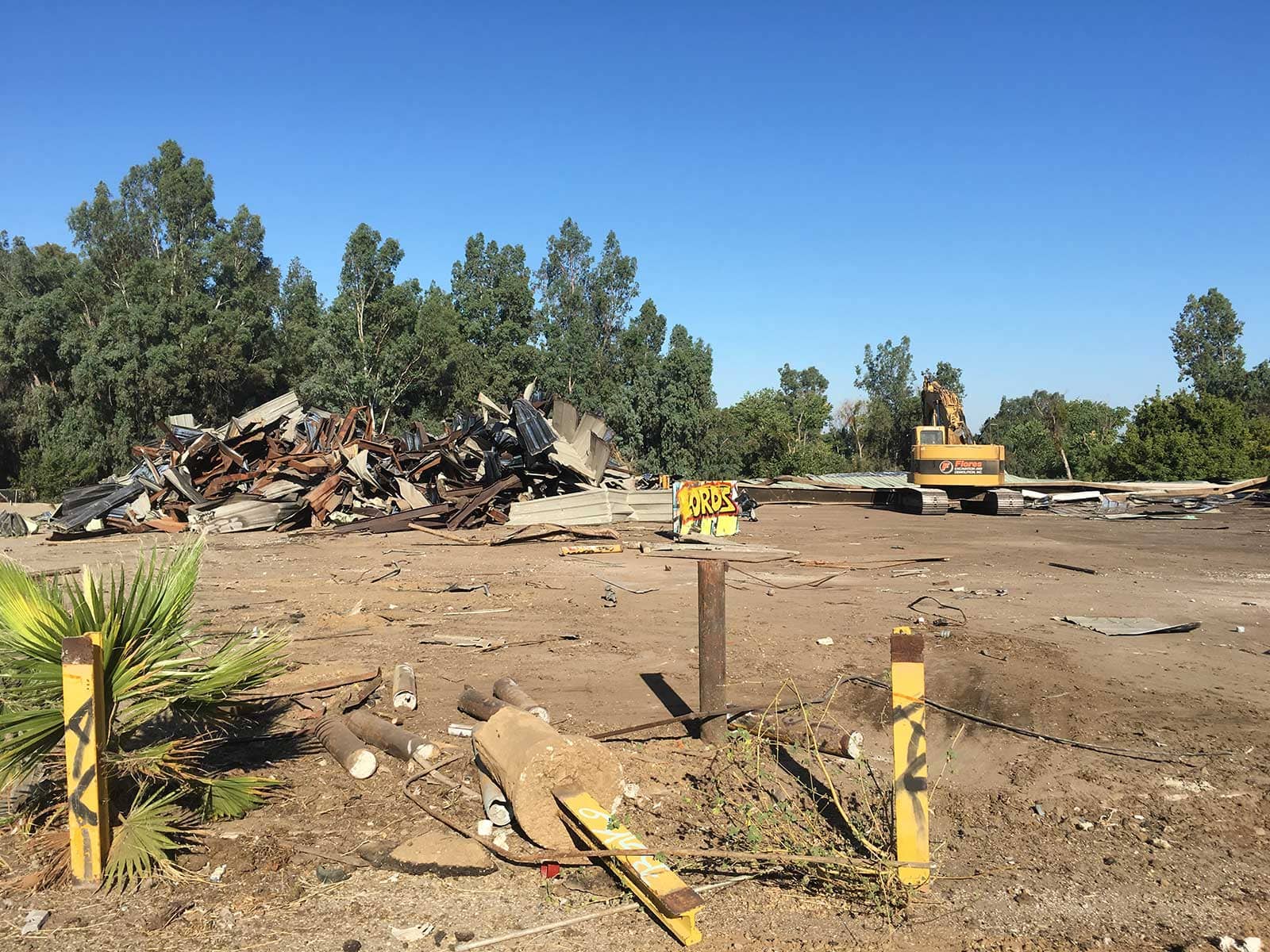
Concrete, asphalt, metal, clean wood, green waste, drywall, mixed debris, and controlled waste do not all go to the same place. The plan should say what crews can sort, what may stay on site, and which approved site can take the rest.
CalRecycle says local recycling options vary. Check that a site will take the material before delivery. A clean load may have more options than mixed debris.
Unsafe waste needs its own plan
Fluorescent lights, switches or thermostats with mercury, batteries, cooling chemicals, asbestos, polluted soil, and other controlled waste must be found before demolition and hauling. Tests, removal, transport, and disposal may need trained crews and special records.
For work under Valley Air District rules, asbestos checks, notices, cleanup, and approval come before crews handle normal debris. Contact the building and air agencies early.
- Material check and reports on known unsafe items
- On-site separation and loading plan
- Site approval, haul distance, and load limits
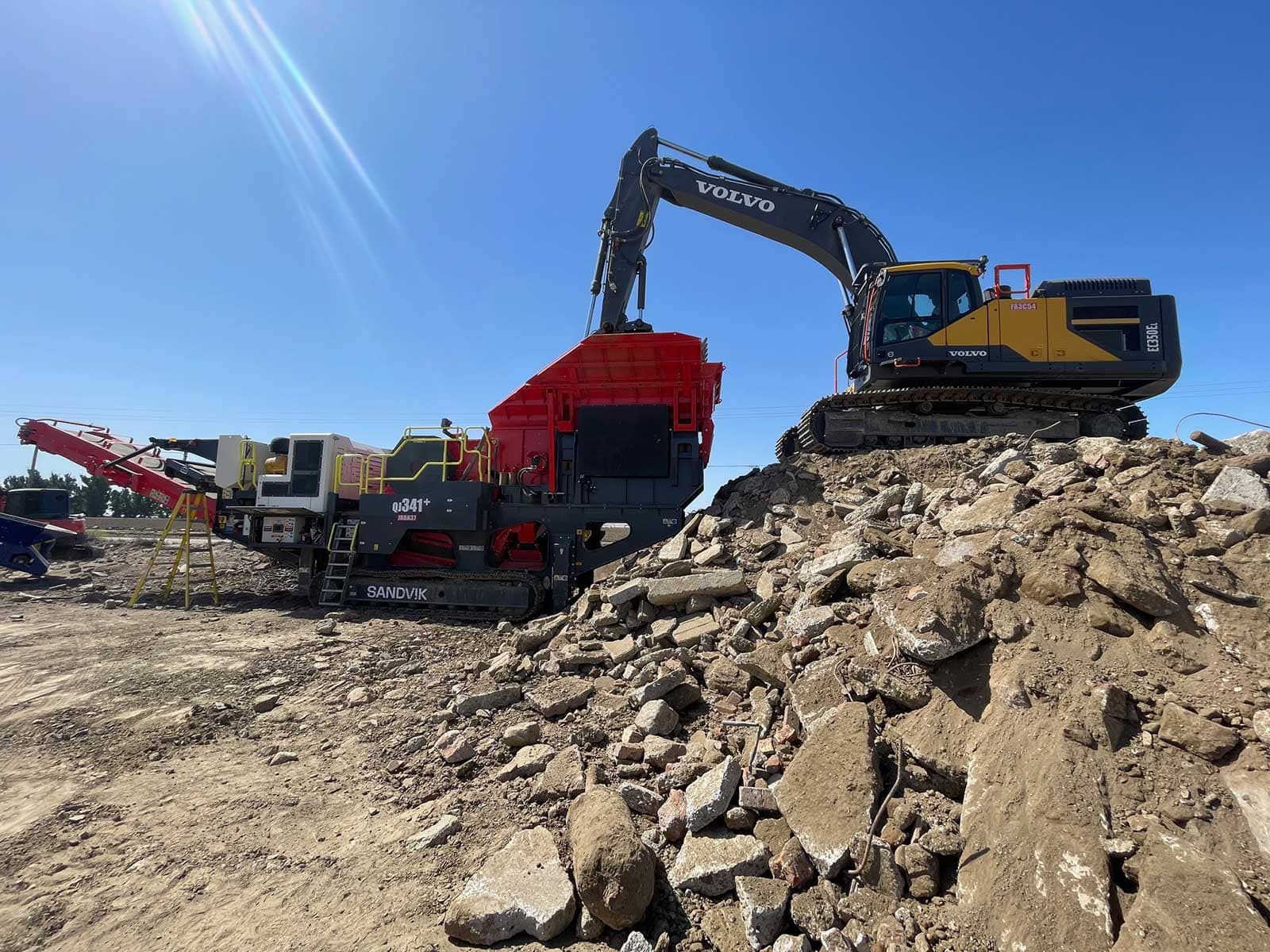
- Concrete crushing or reuse plan when the site has room and a defined use
- Local recycling forms, weight tickets, shipping records, or dump receipts
- Final cleanup, rough grade, and material left on site
Ask for the records the project needs
Public jobs, business sites, permits, lenders, and owners may ask for different proof of disposal or recycling. Before hauling, decide who keeps tickets, fills out local forms, and prepares the final records.
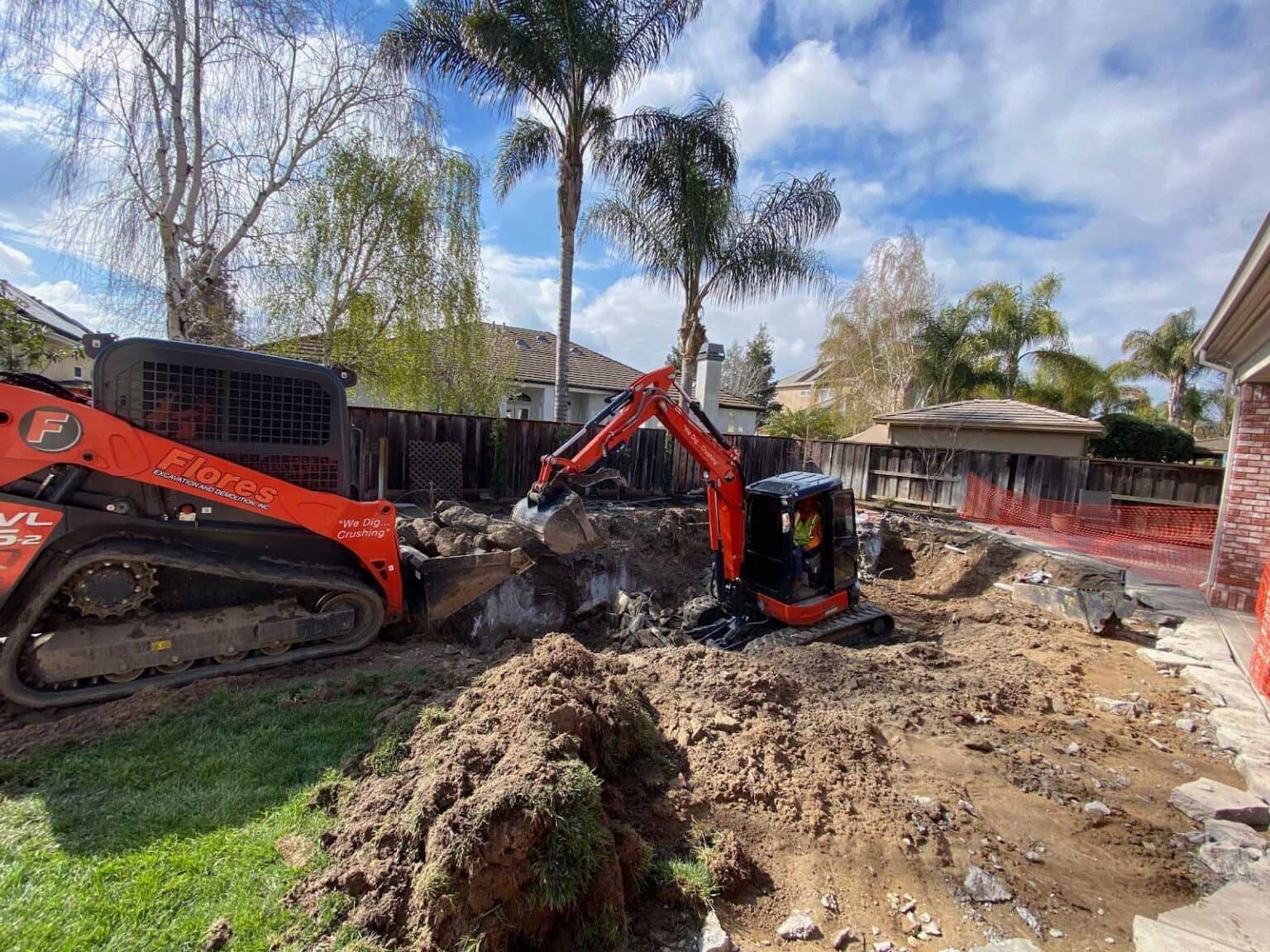
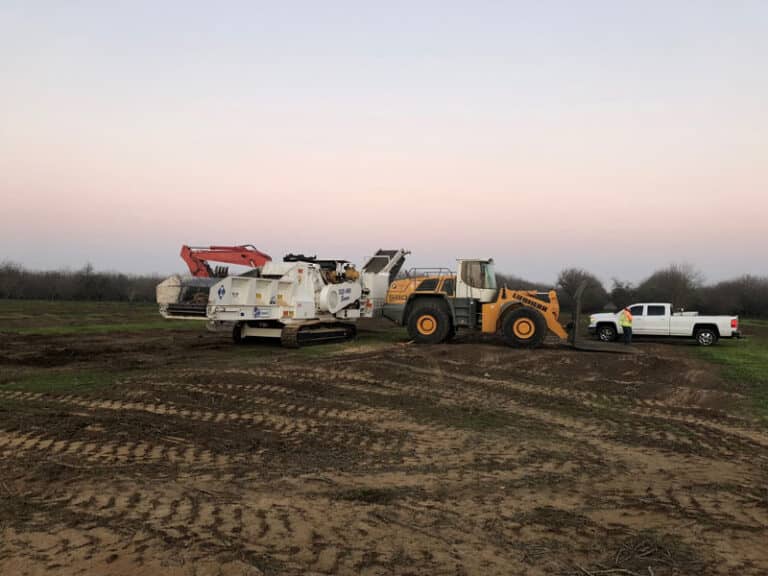
Flores can plan demolition, hauling, concrete crushing, and final cleanup together. The proposal should clearly state the debris plan and needed records.
Check permit, utility, safety, engineering, and inspection rules with the right agencies and trained experts.
Official sources
These links explain the state and local rules used in this guide. Check the rules for your property before work begins. Each source opens in a new tab so you can keep this guide open.