
Start with the property goal
Decide what the property must support after the project: continued use, a new layout, an addition, a different occupancy, or a cleared site. Then identify which parts of the existing structure help or block that result.
A renovation decision made only from visible finishes can miss framing, foundation, utility, access, and code constraints. A demolition decision made without testing the reuse option can discard useful structure and materials.
Compare the options with the same information
Use a condition assessment, available plans, permit history, hazardous-material information, and the proposed design to compare choices. Include temporary work, occupied-space protection, utility changes, material handling, and site restoration in each option.
- Renovation that keeps most structural and building systems
- Selective demolition followed by a targeted rebuild
- Deconstruction or salvage before mechanical demolition
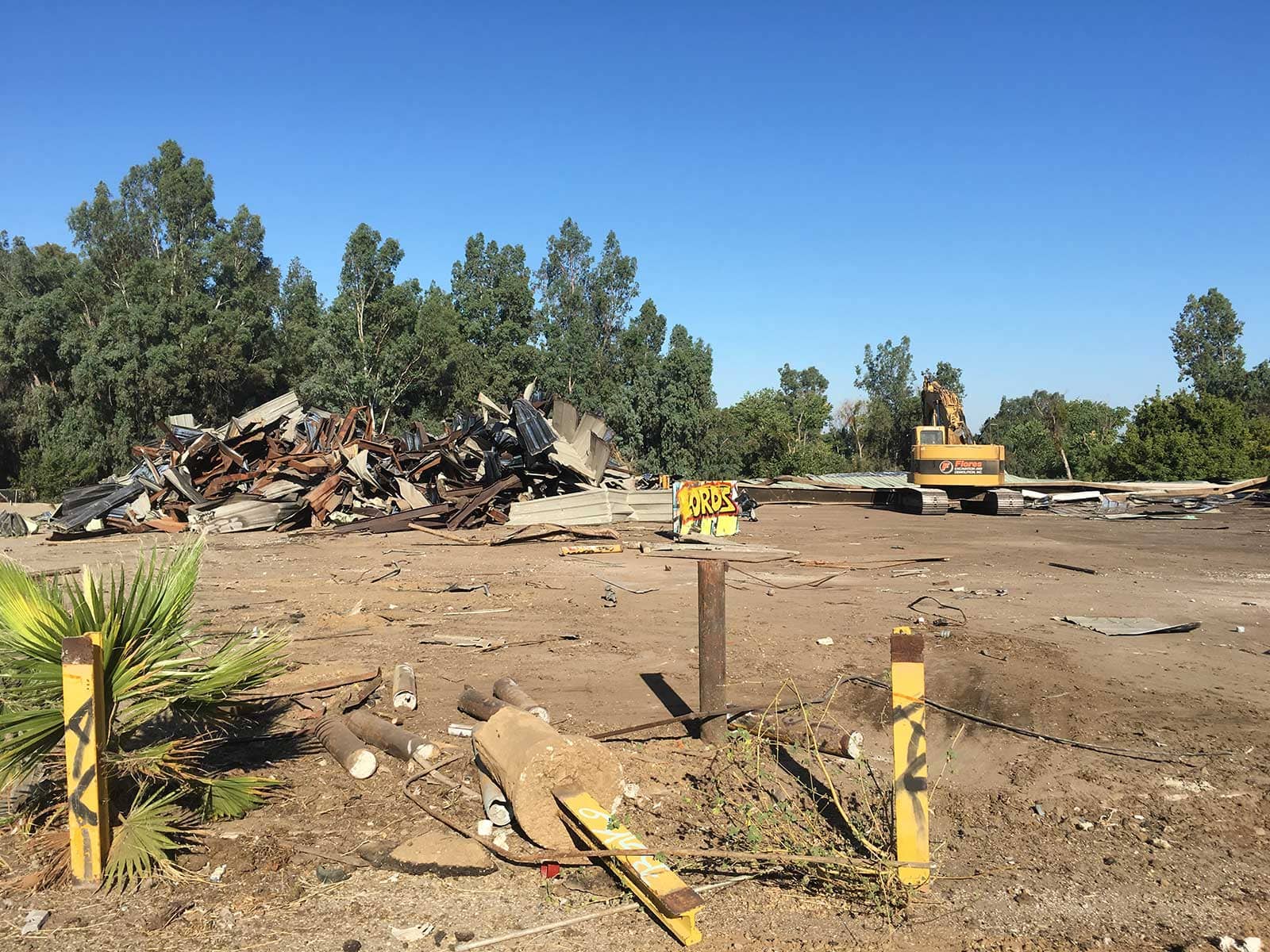
- Full demolition followed by site preparation for new work
Check approval and material requirements early
Renovation and demolition can trigger different building, air-quality, waste, and worker-safety requirements. EPA asbestos rules apply differently based on the building and work, while local permit authorities control the approval path. Confirm applicability instead of treating one option as automatically easier.
Costs, permit steps, codes, disposal requirements, and site conditions change. Confirm current requirements with the responsible agencies and qualified professionals before work begins.
Official sources
These agencies and public resources support the planning information in this article. Open the current source before making project decisions.
- EPA: Sustainable management of construction and demolition materialsOpen official website in new tab
- EPA: Deconstruction manuals for construction and demolition projectsOpen official website in new tab
- EPA: Asbestos requirements for demolition and renovationOpen official website in new tab
- San Joaquin County: Demolition permit informationOpen official website in new tab