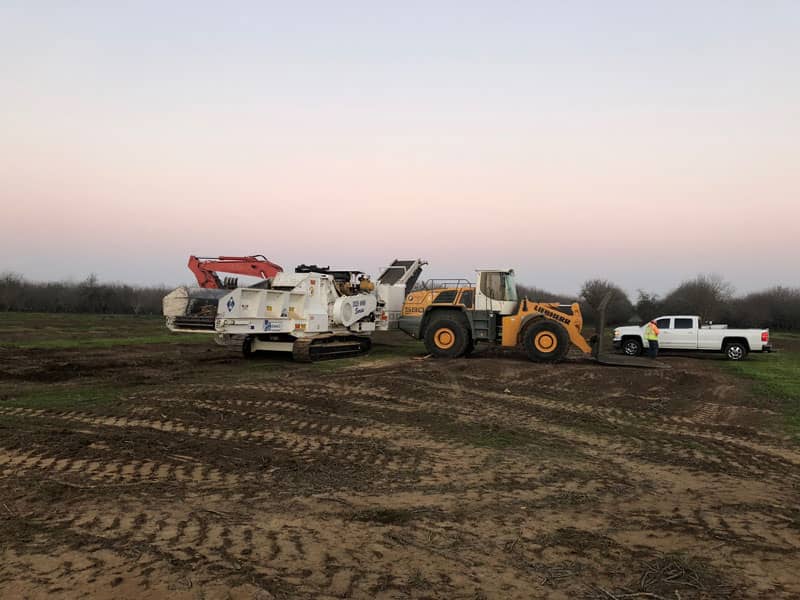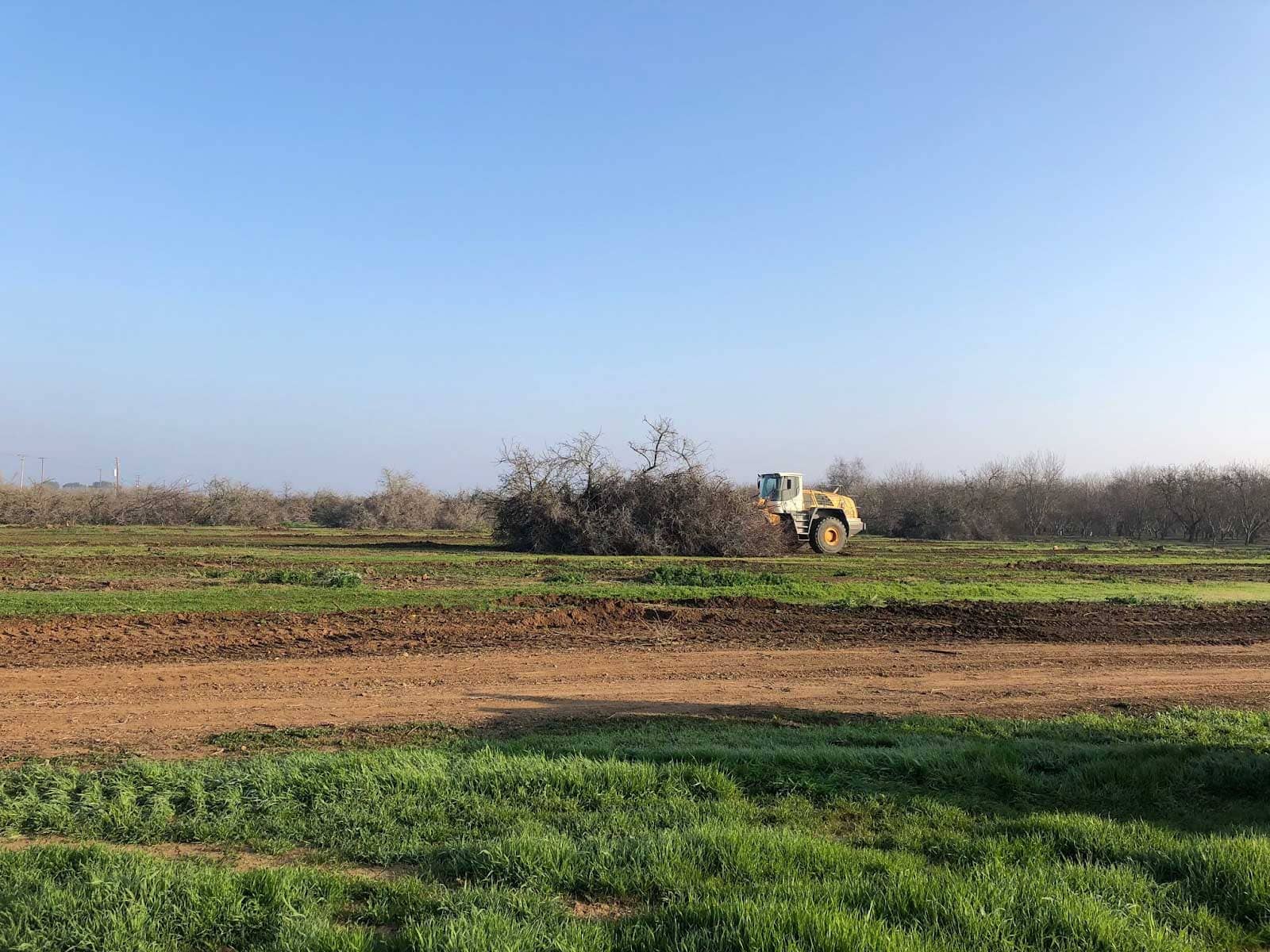
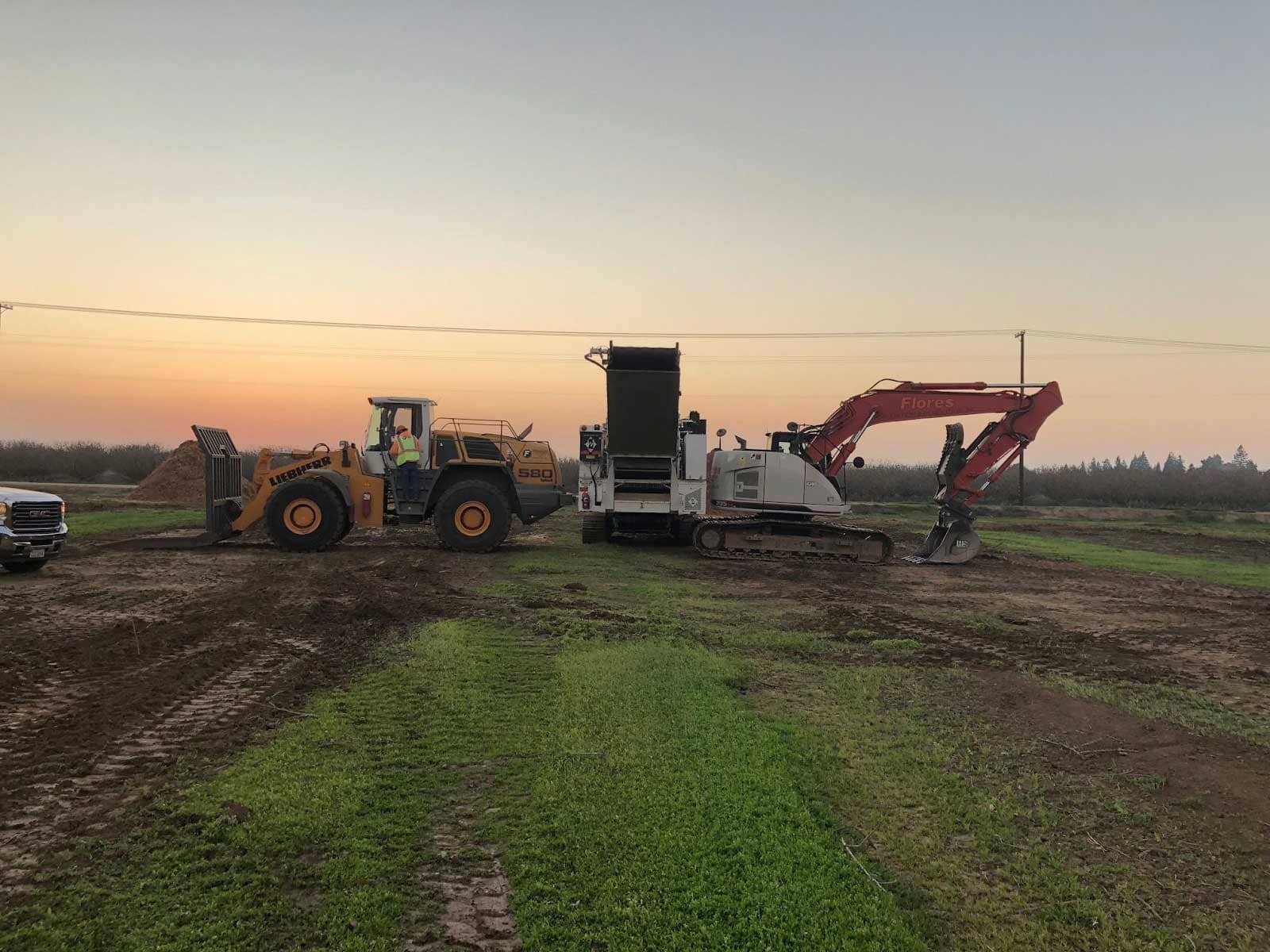
The clearing limit and site condition set the base scope
An estimate starts with the exact area to be disturbed. Acreage matters, but so do tree and brush density, stump size, rock, buried debris, old improvements, fences, and features that must remain. A marked survey or civil plan gives bidders a common boundary and helps protect trees, drainage paths, and neighboring property.
The required finish changes the work. Cutting brush for access is a different scope from removing stumps, processing debris, stripping unsuitable material, or leaving the area ready for grading. The quote should state what will be removed, what will stay, and how the cleared area will be left.
Access, terrain, soil, and weather affect production
Equipment and trucks need a safe route into the work area. Gate width, overhead lines, soft ground, steep slopes, traffic, neighboring uses, and limited room for turning or stockpiling can change the equipment plan and the number of handling steps.
Soil information helps the team anticipate wet areas, erosion risk, and limits on equipment travel. The USDA Web Soil Survey is useful for early planning, but it does not replace a project-specific geotechnical investigation when the design team requires one. Seasonal conditions can also change access and the erosion-control plan.
Disposal, permits, and stormwater controls belong in the estimate
The material plan should separate vegetation, logs, stumps, soil, rock, concrete, and regulated waste. Chipping, reuse, recycling, hauling, and disposal each need suitable space and an approved destination. Do not assume that burning, burying, or spreading material is allowed.
Clearing and grading can trigger local permits and stormwater requirements. California generally requires Construction General Permit coverage when a project disturbs one acre or more, or when a smaller area is part of a larger common plan that reaches that threshold. The owner and project team should confirm which rules apply before setting the schedule.
Compare estimates against one written scope
A useful estimate explains quantities, assumptions, exclusions, and the finished condition. Ask each bidder to price the same plans and site information so differences are easy to find.
- Limits of clearing and features marked for protection
- Stump, root, rock, concrete, and buried-material handling
- On-site processing, stockpiling, hauling, and disposal
- Access preparation, traffic needs, and site restoration
- Erosion controls, permits, inspections, and final stabilization
- Work that depends on surveying, engineering, testing, or another contractor
Costs, permit steps, codes, disposal requirements, and site conditions change. Confirm current requirements with the responsible agencies and qualified professionals before work begins.
Official sources
These agencies and public resources support the planning information in this article. Open the current source before making project decisions.