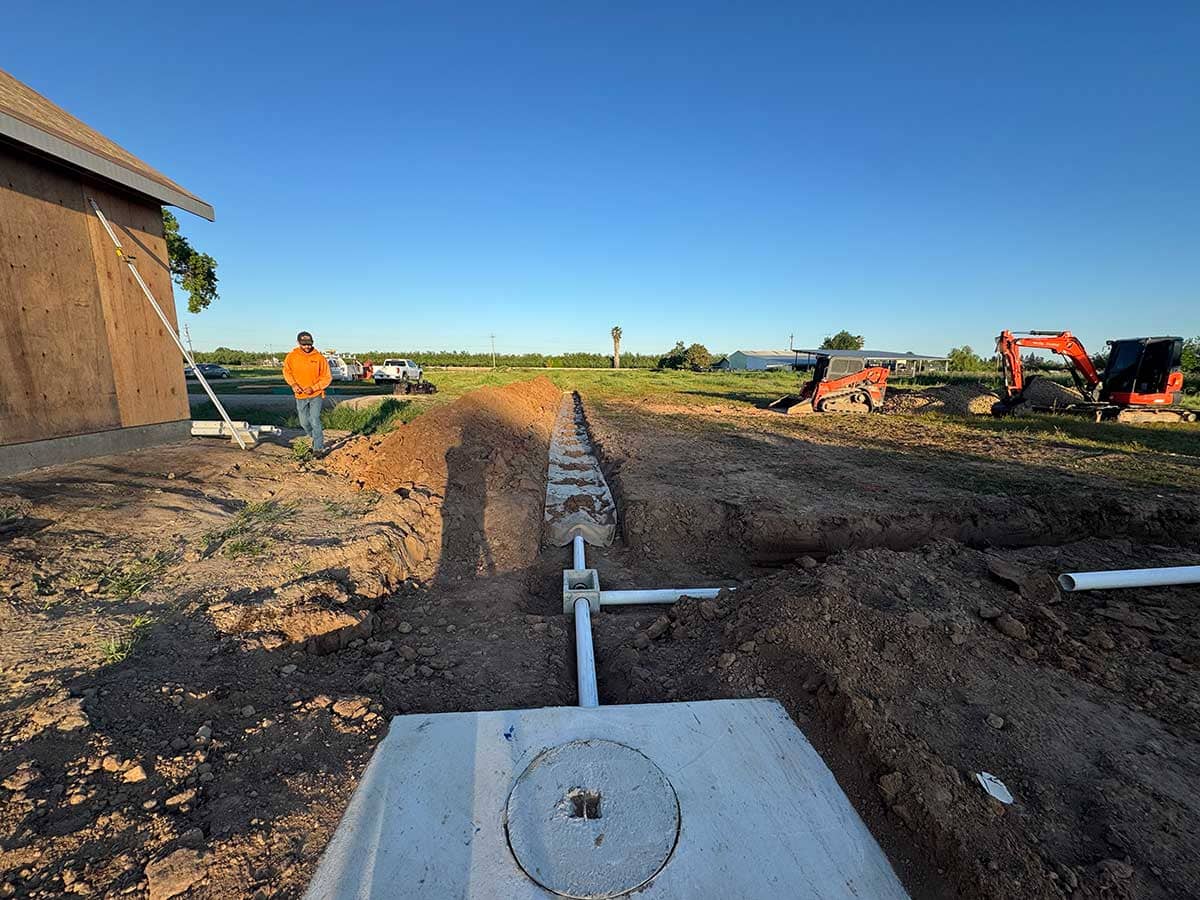

Define the work before requesting bids
Contractors can price the same project only when they receive the same information. Share the address, current plans, survey, soil reports, utility information, access limits, target schedule, material plan, and the condition the next trade needs.
List who will handle permits, utility tickets, engineering, testing, traffic control, hauling, disposal, erosion controls, and final survey work. If part of the design is unfinished, identify the assumption instead of asking the contractor to guess.
Check the California license and business records
Use the Contractors State License Board license check to confirm that the license is active and belongs to the business that submitted the bid. Review the classification, bond, workers compensation information, and any complaint disclosure shown in the record. License status can change, so check it again before signing.
The classification needs to fit the work. CSLB describes the C-12 Earthwork and Paving classification as work that can include cuts, fills, excavation, grading, trenching, and backfill. Some projects may call for a different or additional classification. Ask CSLB or the local building department when the correct classification is unclear.
Compare the scope, team, and job controls
A low total does not show whether the proposals include the same work. Compare quantities, assumptions, exclusions, equipment access, material destinations, testing, permits, cleanup, and final grade. Ask who will supervise the work and how the contractor handles utility conflicts, water, unsuitable soil, and plan changes.
References are more useful when the past work is similar in size and site conditions. Ask about communication, change orders, schedule updates, protection of neighboring property, and whether the finished site matched the written scope.
Put the full excavation scope in writing
CSLB advises owners to use a written agreement that explains the work, timing, materials, price, permits, and contractor information. The excavation contract should also describe the handoff so there is no gap between earthwork and the next trade.
- Plans, dimensions, elevations, quantities, and approved assumptions
- Utility, safety, access, drainage, and erosion-control responsibilities
- Soil, rock, debris, import, export, stockpile, and disposal terms
- Required testing, inspection, survey, and documentation
- Exclusions, allowances, change-order process, schedule, and cleanup
Costs, permit steps, codes, disposal requirements, and site conditions change. Confirm current requirements with the responsible agencies and qualified professionals before work begins.
Official sources
These agencies and public resources support the planning information in this article. Open the current source before making project decisions.
- California CSLB: Check a Contractor LicenseOpen official website in new tab
- California CSLB: Finding the Right Licensed ContractorOpen official website in new tab
- California CSLB: C-12 Earthwork and Paving ClassificationOpen official website in new tab
- California CSLB: Contracts and Binding AgreementsOpen official website in new tab