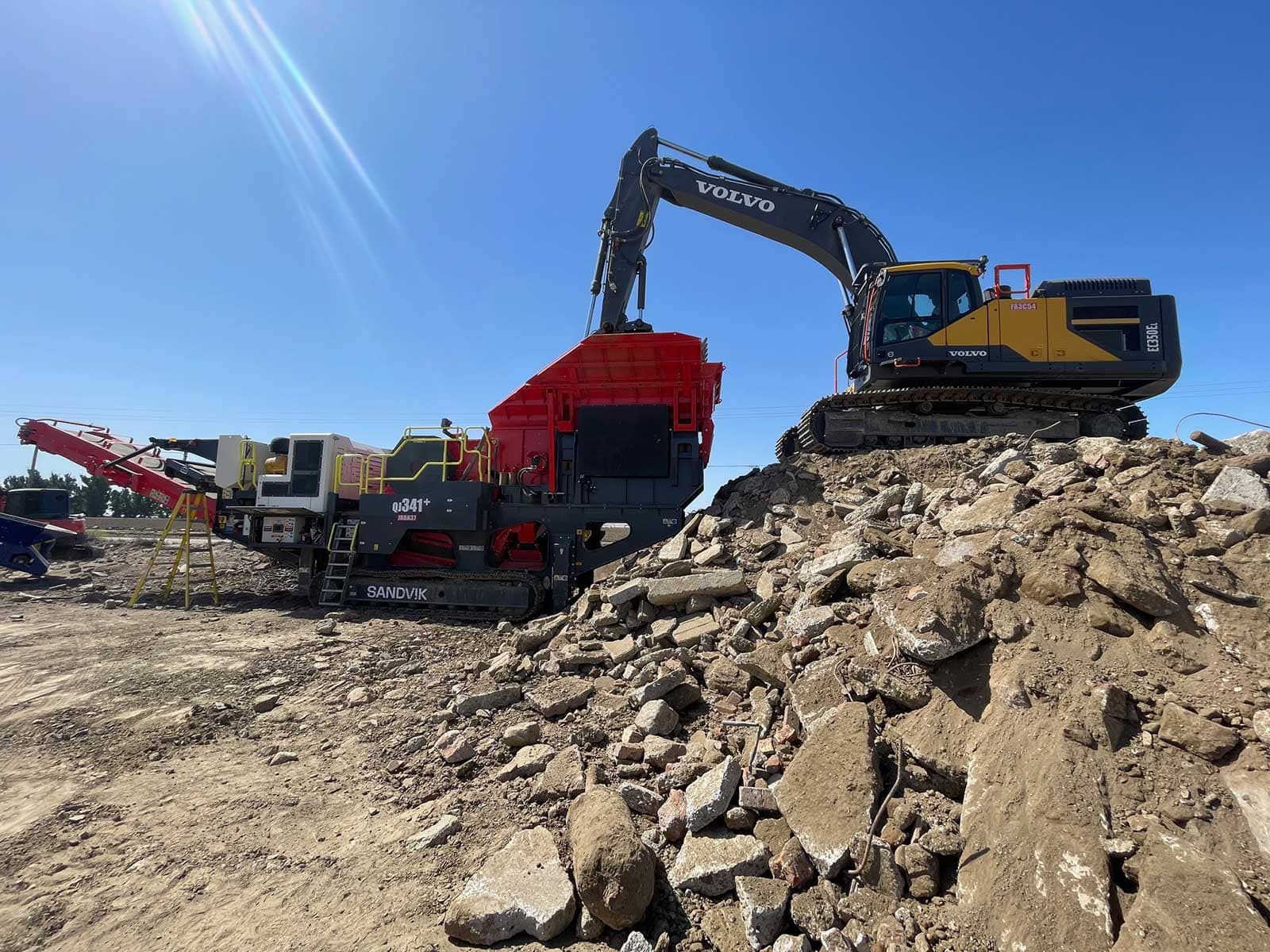

Treat material recovery as part of the scope
A lower-waste demolition plan identifies useful materials before they are mixed or damaged. Doors, fixtures, lumber, metal, masonry, concrete, and other materials may have reuse or recycling options when condition, timing, labor, and local markets support them.
Deconstruction means taking selected parts apart for recovery. It can be paired with mechanical demolition rather than treated as an all-or-nothing choice.
When the receiving options and project conditions support it, reuse and recycling can reduce disposal, conserve usable resources, and sometimes avoid the cost of hauling material to a landfill.
Screen hazards before deciding what can be reused
Reuse does not make a material safe. Asbestos, lead, mercury devices, lamps, batteries, electronics, and other regulated materials need the review and handling required for that material and project.
Keep regulated materials out of ordinary construction-and-demolition salvage or recycling loads. Route them to an authorized handler or specialized recycling program when the rules allow it. Qualified inspectors, agencies, and receiving facilities should answer material-specific questions before removal.
Match separation to real receiving options
List likely material streams, estimated quantities, space for containers, loading sequence, and intended destinations. Then confirm that each facility accepts the material in its actual condition. CalRecycle notes that local recycling options vary and recommends checking with the facility before delivery.
A plan that names a recycler without confirming acceptance can create rehandling, extra hauling, or disposal at the last minute.
Ask for records that fit the project
Permits, owners, public agencies, and certification programs may ask for different proof. Decide before work whether the project needs weight tickets, donation records, disposal receipts, photographs, or a diversion report.
The practical result is a traceable material plan: what was recovered, where it went, and which items required controlled disposal.
Costs, permit steps, codes, disposal requirements, and site conditions change. Confirm current requirements with the responsible agencies and qualified professionals before work begins.
Official sources
These agencies and public resources support the planning information in this article. Open the current source before making project decisions.
- EPA: Sustainable management of construction and demolition materialsOpen official website in new tab
- EPA: Deconstruction manuals for construction and demolition projectsOpen official website in new tab
- CalRecycle: Construction and demolition debris recyclingOpen official website in new tab
- California DTSC: Universal waste and how to handle itOpen official website in new tab